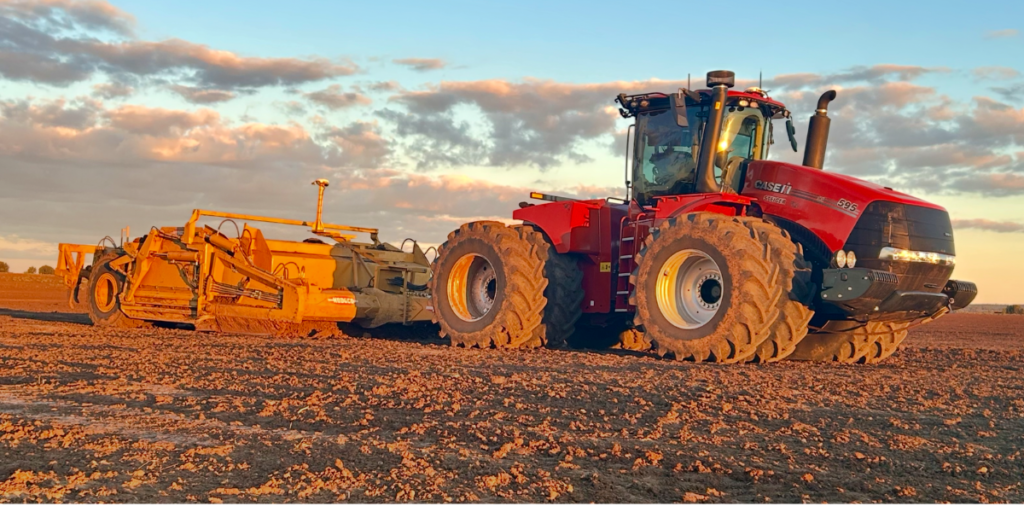
Agricultural operations across the Bundaberg Region face unique workplace health and safety challenges during peak production periods. From sugarcane harvesting to macadamia processing, citrus operations, berry farms and vegetable production spanning Childers, Gin Gin, Bargara and surrounding areas, the demands of harvest season place considerable pressure on safety systems and operational protocols.
The primary challenge in agricultural workplace health and safety (WHS) extends beyond hazard identification. Risk normalisation through repeated exposure represents a significant concern. Equipment operated routinely for years, machinery that experiences intermittent faults, time-sensitive operations conducted under weather constraints, and inadequately trained casual workers all contribute to elevated risk profiles during critical production periods.
Effective agricultural WHS management focuses on maintaining operational continuity while preventing injuries, avoiding regulatory intervention, and mitigating incidents that could compromise entire production cycles.
As a Bundaberg-based safety consultant, Dlonra Safety Consultancy develops practical safety systems tailored to agricultural work cycles, diverse workforce compositions, contractor coordination and multi-site operational requirements across the Bundaberg Region.
Understanding Agricultural WHS Complexity
Agricultural workplaces present distinct characteristics that differentiate them from other industries. Work environments transition seamlessly from field operations to packing facilities, maintenance workshops to water management areas within single operational periods. Seasonal production peaks, extended work hours, fatigue accumulation, family workforce participation, visitor access and high-risk plant operation create dynamic risk environments requiring continuous assessment.
Statistical analysis indicates most agricultural incidents occur during transitional periods: task changeovers, new worker onboarding, weather-driven operational adjustments, or deferred maintenance activities that typically remain postponed during peak periods.
Comprehensive WHS systems in Bundaberg agriculture must address two critical objectives concurrently:
- Control high-consequence hazards including vehicle rollovers, machinery entanglement and chemical exposure
- Reduce incremental safety drift resulting from time pressure, familiarity bias and operational assumptions
Legal Obligations for Queensland Agricultural Businesses
Queensland agricultural enterprises operate under state WHS legislation, requiring health and safety assurance so far as reasonably practicable. These obligations extend across multiple duty holders: business owners and operators, officers exercising due diligence, workers maintaining reasonable care and following established procedures, and other persons present at worksites.
A persistent challenge in agricultural settings involves diffusion of responsibility, particularly when engaging labour hire personnel, contractors, transport operators, agronomists or seasonal teams operating across multiple properties.
Robust WHS frameworks establish clear accountability for:
- Worker induction protocols and supervision structures
- Plant maintenance schedules and documentation
- Chemical application authorisation processes
- High-risk task competency verification
- Incident and near-miss reporting procedures
The objective centres on preventing operational ambiguity that precipitates serious injuries, rather than impeding productive work.
Critical Risk Areas in Bundaberg Agriculture
Machinery Guarding and Operational Safety
While most agricultural operations recognise machinery hazards, a common oversight involves treating operator reaction time as an effective control measure. When workers can access hazard zones during standard operation, cleaning or maintenance activities, properly installed and maintained guarding provides essential injury prevention. WorkSafe Queensland maintains clear expectations: hazards workers may encounter require appropriate guarding systems.
Bundaberg agricultural operations should evaluate:
- Guard presence, correct installation and consistent use (versus storage adjacent to equipment)
- Recognition of cleaning and jam clearance as normal operational activities requiring protective measures
- Genuine understanding versus assumed knowledge of isolation and lock-out procedures
Recommended Action: Document and implement standardised blockage clearance and cleaning procedures for critical equipment (wash lines, conveyors, sorting systems, chippers, augers) incorporating isolation protocols and authorised personnel requirements.
Power Take-Off (PTO) Systems and Entanglement Hazards
PTO incidents frequently result in catastrophic outcomes due to the immediate and irreversible nature of entanglement injuries. WorkSafe Queensland emphasises mandatory installation and maintenance of PTO shaft covers and guarding systems to prevent such incidents.
Operations utilising PTO-driven equipment including slashers, irrigation pumps, post-hole diggers or spray units must not permit operational convenience to compromise guarding integrity. Guarding requirements should be treated as non-negotiable operational standards, with workflows designed accordingly.
Quad Bikes and Utility Terrain Vehicles
Quad bikes continue to represent significant rural safety concerns. Queensland regulatory guidance requires persons conducting a business or undertaking (PCBUs) to ensure plant, including quad bikes, remains appropriate for operational conditions and operator skill levels, with documented instruction and training provided.
Bundaberg operations face daily risk assessment decisions:
- Vehicle suitability for specific terrain conditions (sand, saturated soil, slopes, row crops)
- Load configuration effects on vehicle stability
- Competency verification for new, young or seasonal workers before vehicle access
Vehicle use standards should reflect property-specific conditions rather than generic policy frameworks.
Agricultural Chemicals and Pesticide Management
Agricultural chemicals present serious health risks without comprehensive safety protocols. Risks encompass both acute exposure incidents and chronic low-level exposure, inadequate storage practices, inappropriate personal protective equipment (PPE) selection, and complacency regarding mixing and decontamination procedures.
Bundaberg proximity to residential areas, educational facilities, neighbouring properties and sensitive agricultural operations elevates chemical management criticality. Queensland guidance emphasises spray drift prevention due to impacts on vegetation, environmental systems, property and human health.
Effective Control Measures:
- Accessible chemical registers and Safety Data Sheets (SDS) at operational locations
- Appropriate PPE selection considering Bundaberg heat and humidity conditions
- Designated mixing and decanting zones with spill containment infrastructure
- Storage systems preventing container degradation and legacy chemical accumulation
Rural Plant and Operational Modifications
Agricultural equipment frequently undergoes field modifications, expedient repairs or operation beyond design parameters. Queensland Rural Plant Code of Practice 2024 addresses injury and fatality reduction through updated guidance reflecting modern agricultural operations, including quad bikes, utility terrain vehicles and emerging technologies. The code commenced 23 September 2024.
Developing Practical Safety Systems for Agricultural Operations
The most effective agricultural safety programs prioritise clarity of high-risk work controls over documentation volume. These systems require regular review when risk profiles change: seasonal transitions, workforce changes, equipment acquisition, crop planning adjustments or new contractor engagement.
A Practical Framework for Bundaberg Agriculture
1. Identify Critical Tasks
Begin with the 6-10 tasks most likely to result in fatality or permanent disability. For most agricultural operations, these include: machinery operation with moving parts, PTO equipment use, vehicle operation, chemical mixing and application, maintenance and blockage clearance, isolated or remote work, and elevated work activities.
2. Establish Three Control Layers for Each Critical Task
- Minimum Standards – Non-negotiable requirements (guarding systems, isolation procedures, PPE, exclusion zones)
- Competency and Supervision – Authorisation criteria, restriction parameters, verification definitions
- Verification Protocols – Monitoring mechanisms that function during peak operational periods
Dlonra Safety Consultancy supports Bundaberg agricultural clients through high-risk task mapping, practical Safe Work Method Statements (SWMS) and Standard Operating Procedures (SOPs) development, enhanced induction and contractor management systems, and audit protocols that identify control drift without disrupting production operations.
Safety as Operational Excellence
In Bundaberg agriculture, WHS represents operational advantage rather than compliance burden. Organisations treating safety as a core production input achieve workforce consistency, avoid operational shutdowns, improve worker retention and protect surrounding communities.
To enhance operational performance for your next production cycle, prioritise areas with highest consequence potential: rural plant operation, vehicle safety, machinery guarding and chemical management systems. Develop clear, repeatable standards your team can maintain during peak periods.
For agriculture-focused WHS consulting services in Bundaberg and surrounding regions including Childers, Gin Gin and Bargara, Dlonra Safety Consultancy provides comprehensive safety reviews covering farm operations, processing facilities and contractor management.
Contact Dlonra Safety Consultancy for professional safety consultant services tailored to Bundaberg agriculture.