Occupational Hygiene Support in Bundaberg
Dlonra Safety helps Bundaberg businesses manage hazardous noise and other health risks at work. Led by WHS consultant Nikki, we provide occupational hygiene support in close collaboration with a Certified Occupational Hygienist, who oversees complex analysis and specialist reporting.

What is Occupational Hygiene?
Occupational hygiene is the practice of identifying, assessing and controlling workplace health hazards such as hazardous noise, airborne contaminants, vibration, chemical exposure and biological risks.
In Queensland, occupational hygiene – particularly for noise – is guided by the Managing noise and preventing hearing loss at work Code of Practice 2021 and recent changes to the Work Health and Safety Regulation 2011, which introduce mandatory audiometric testing for workers who need hearing protection from 29 July 2025. WorkSafe Queensland
For Dlonra Safety Consultancy, this isn’t just about taking measurements. We align our work with these requirements by using a competent person to complete noise assessments in line with section 4.2 of the Code, and by helping businesses plan and coordinate audiometric testing programs that meet the new timelines and standards. Safe Work Australia
Our role is to interpret the results in a clear, practical way so you know exactly what actions are required to protect your workers’ hearing and demonstrate compliance with current Queensland legislation.
Working Closely with a Certified Occupational Hygienist we are able to offer the following Services
Dlonra Safety works in collaboration with a Certified Occupational Hygienist to provide a comprehensive range of occupational hygiene assessments to suit workplaces of all sizes. All services are delivered by Certified Occupational Hygienist who understands local industry needs and Queensland’s legislative landscape.
Air Quality, Dust & Contaminant Monitoring
- Airborne dust monitoring
- Welding fume assessments
- Diesel particulate matter (DPM) monitoring
- Silica exposure assessments
- Indoor air quality testing
- Recommendations for ventilation, PPE, and engineering controls
Noise & Vibration Assessments
- Personal noise exposure monitoring
- Area noise measurements
- Vibration assessments for equipment and tools
- Noise mapping and identification of high-risk zones
- Indoor air quality testing
- Control measures and hearing protection recommendations
Hazardous Substances & Chemical Exposure Testing
- Workplace chemical exposure testing
- Airborne contaminant monitoring
- Risk assessments for hazardous substances
- Review of Safety Data Sheets (SDS) and storage requirements
- Development of safe handling procedures
Asbestos, Silica & Other Hazardous Material Assessments
- Asbestos inspections and management guidance
- Silica exposure risk assessments
- Material sampling (where required) through accredited laboratories
- Recommendations for safe removal or control options
Biological Monitoring & Health Risk Assessment
- Biological exposure assessments
- Monitoring for bacteria, mould, viruses, or organic dusts
- Assessment of processes, PPE, and hygiene practices
- Guidance on cleaning, sanitation, and ongoing monitoring requirements
Clear Reporting & Practical Recommendations
- What hazards were identified
- What the exposure levels mean
- Whether they meet Queensland standards
- What controls are required
- Priority actions vs long-term improvements
Managing Respirable Crystalline Silica (Silica Dust)
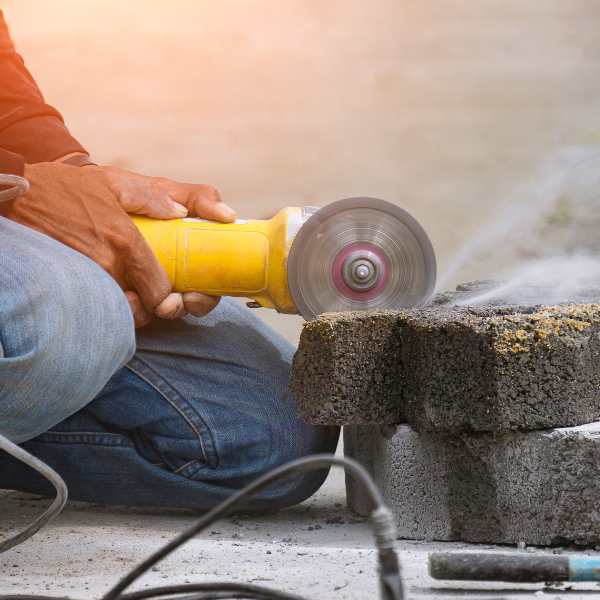
Respirable crystalline silica (silica dust) is released when materials like concrete, bricks, tiles, stone or masonry are cut, drilled, ground or crushed. It can cause serious long-term lung disease, which is why Safe Work Australia has introduced a new Model Code of Practice: Managing risks of respirable crystalline silica in the workplace (November 2025) and stronger regulations for working with crystalline silica substances (CSS).
Under these updated requirements, PCBUs that process any crystalline silica substance (generally materials with 1% or more crystalline silica) must control silica dust exposure and, where the work is assessed as high risk, are expected to:
- Arrange air (dust) monitoring to check respirable crystalline silica levels against the workplace exposure standard
- Develop and maintain a Silica Risk Control Plan for high-risk silica work
- Provide appropriate worker training, controls and health monitoring where required.
Alongside a Certified Occupational Hygienist, Dlonra Safety is able to provide your business with the support to keep your people protected and your business compliant.